The work starts long before an emergency happens. We support industrial plants in prevention, in preparing their teams and in the response when it is needed.
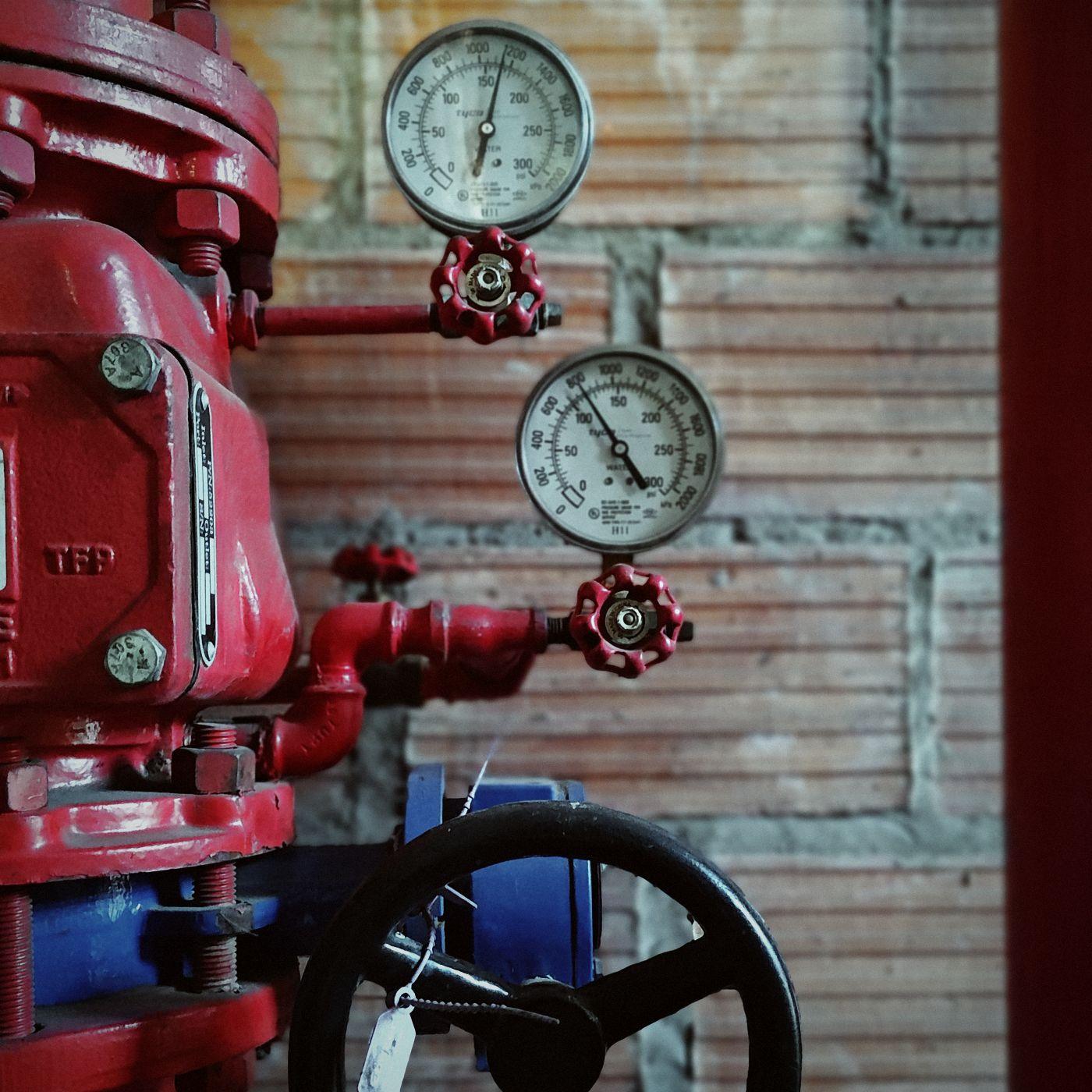
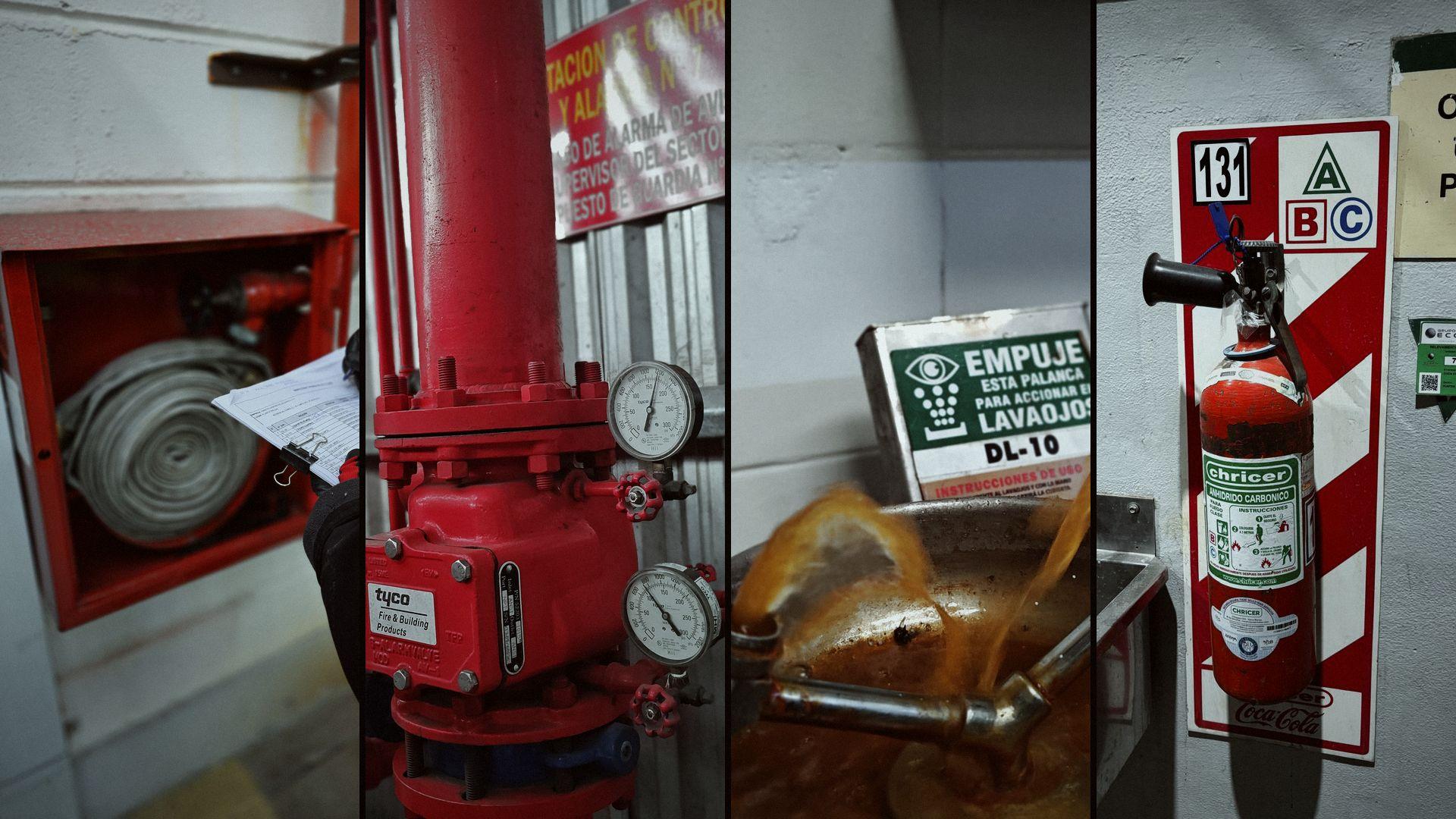
Your fire main being there does not mean it is ready
Move the flashlight over the photos: real equipment and what we found when we inspected it.
Hose not checked
Badly folded, with dried-out couplings or an expired test: it does not deliver the flow when opened.
Stuck valve
A valve that has not been operated for months may not open the day it is needed.
Faded signage
A sign nobody can see guides nobody through the smoke.
Rusty eyewash
When it was turned on, rusty water came out: the line needed flushing. It is activated and checked on every visit.
Extinguisher out of range
Low gauge, broken seal or expired charge: recorded with photo and date.
In every ITM service we find the deviation, check it, fix it and record it with photo, date and the technical lead's signature.
Coverage
From Bahía Blanca to the whole country
We train brigades in twelve cities across the country, and carry out inspection, testing and maintenance in Bahía Blanca and Trelew.
Bahía BlancaIPM
TrelewIPM
Monte Cristo
Rosario
Santo Tomé
Pergamino
Chacabuco
Bariloche
Neuquén
Mendoza
San Juan
San Luis
Experience
More than ten years inside the industry
It is not theory. It is sustained work at plants that cannot afford a failure.
years working together
+01234567890123456789years working together
pieces of equipment under control
+0123456789,012345678901234567890123456789pieces of equipment under control
plants served
01234567890123456789plants served
cities across the country
01234567890123456789cities across the country
Main customer
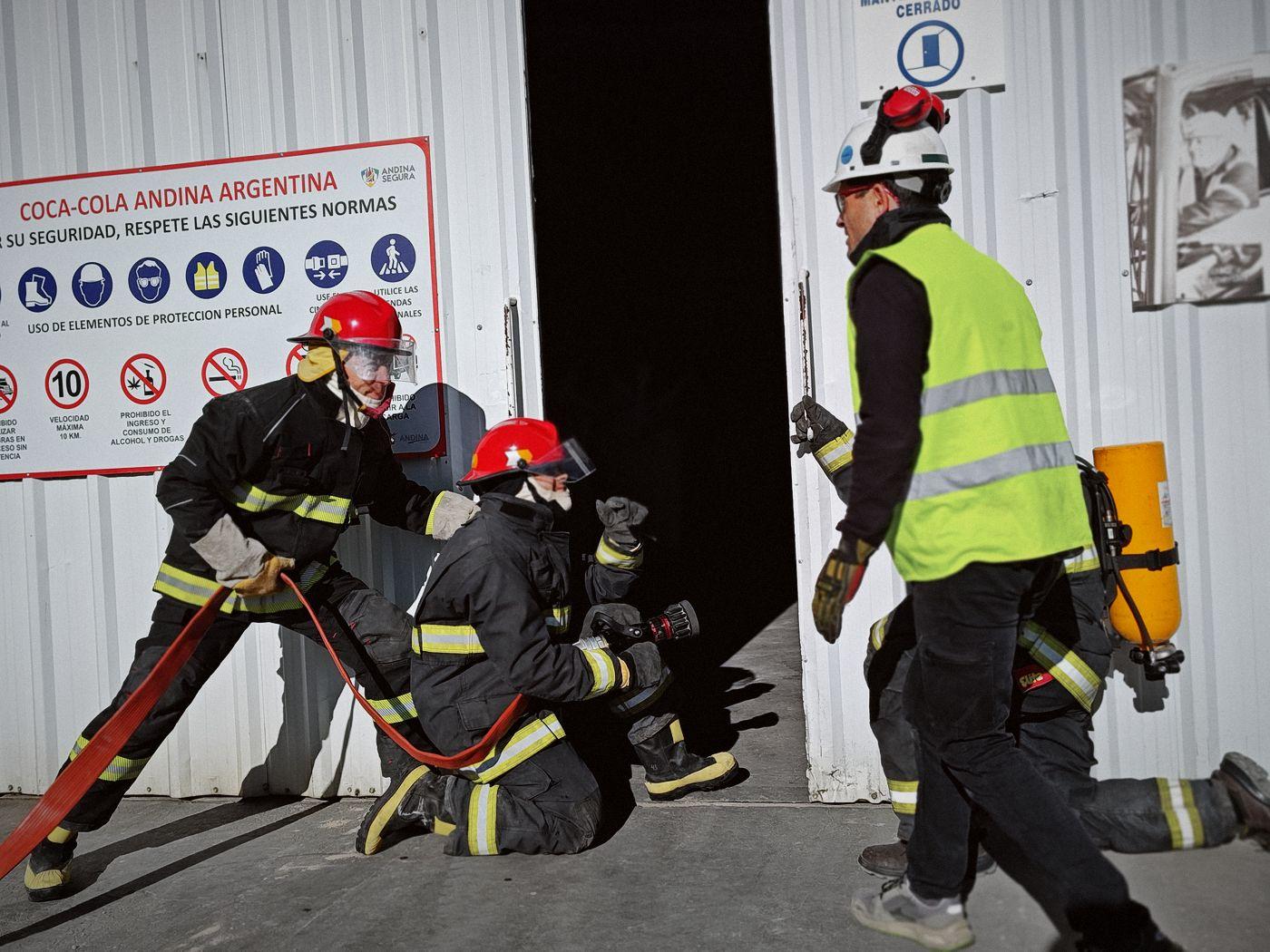
Coca-Cola Polar Andina
Inspection, testing and maintenanceBrigade training
More than ten years looking after Embotelladora del Atlántico's plants. In Bahía Blanca and Trelew we inspect, test and maintain the whole fire protection system; at its twelve plants across the country we train and drill its brigades.
years together
+10years together
plants
12plants
with ITM
2with ITM
Bahía Blanca
Trelew
Monte Cristo
Rosario
Santo Tomé
Pergamino
Chacabuco
Bariloche
Neuquén
Mendoza
San Juan
San Luis
Inspection, testing and maintenanceTraining
Bahía Blanca
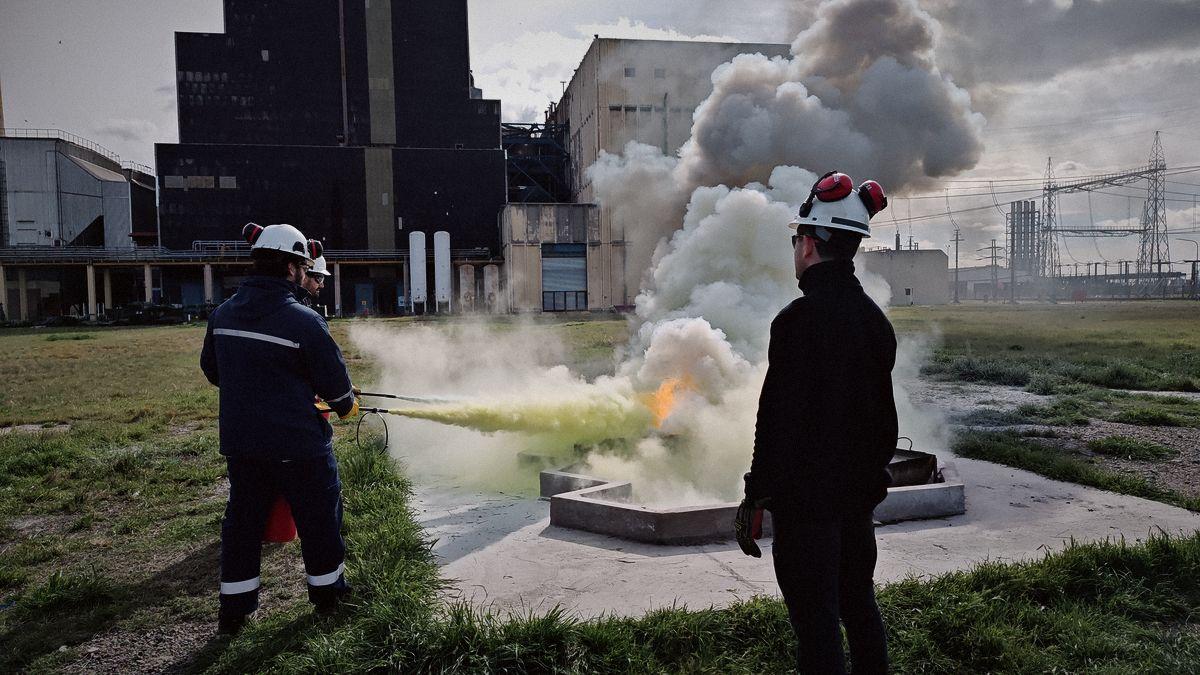
Central Luis Piedra Buena
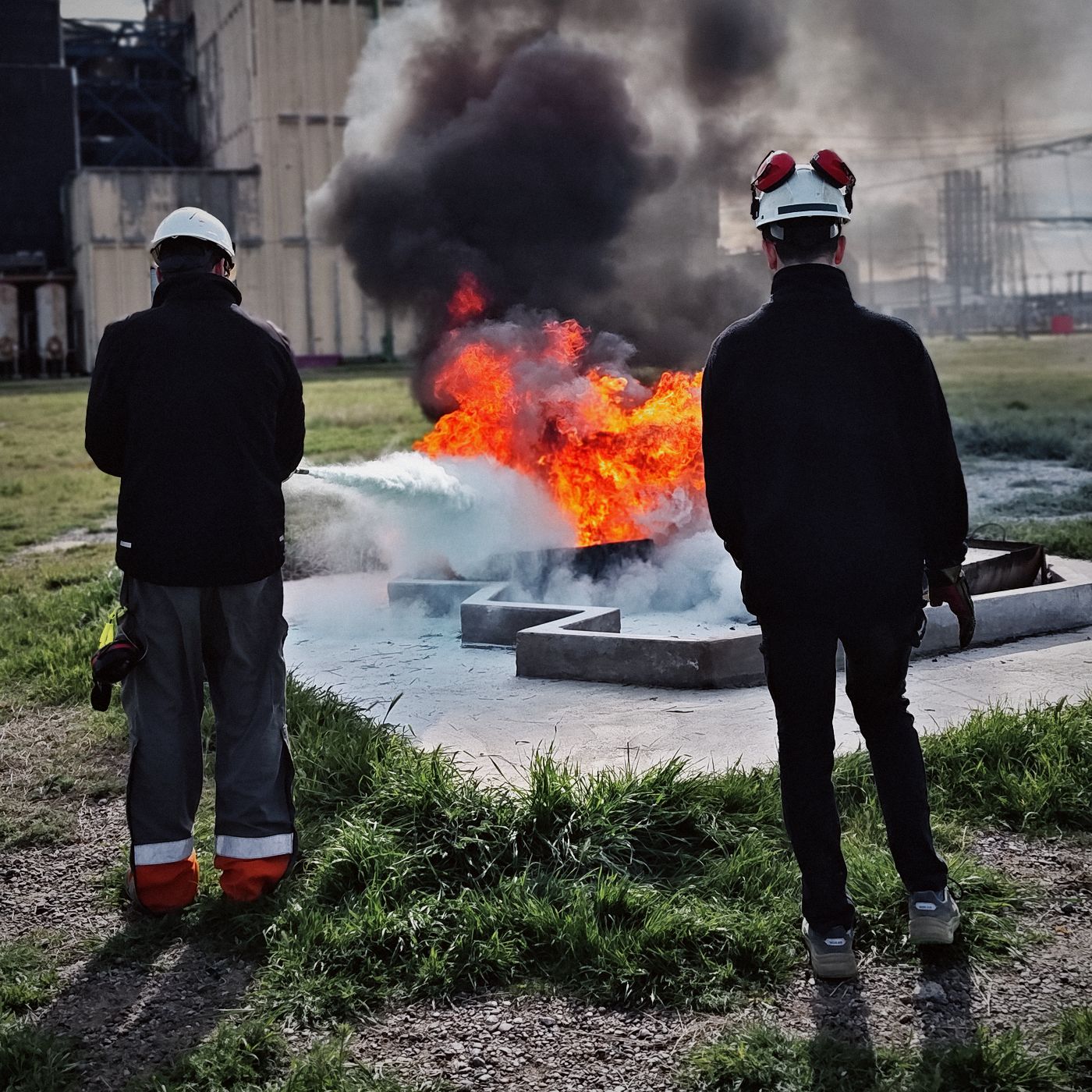
A power plant where nothing can fail. We inspect, test and maintain its fire main, and train its staff with live fire.
Training
General Daniel Cerri
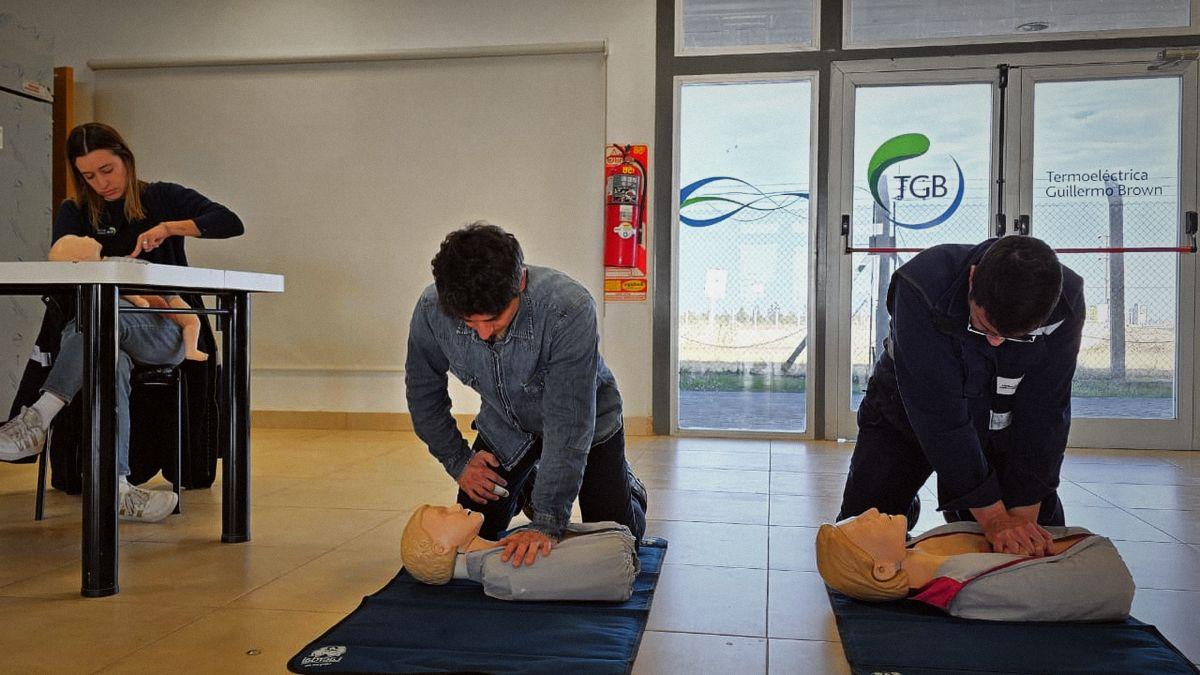
Termoeléctrica Guillermo Brown
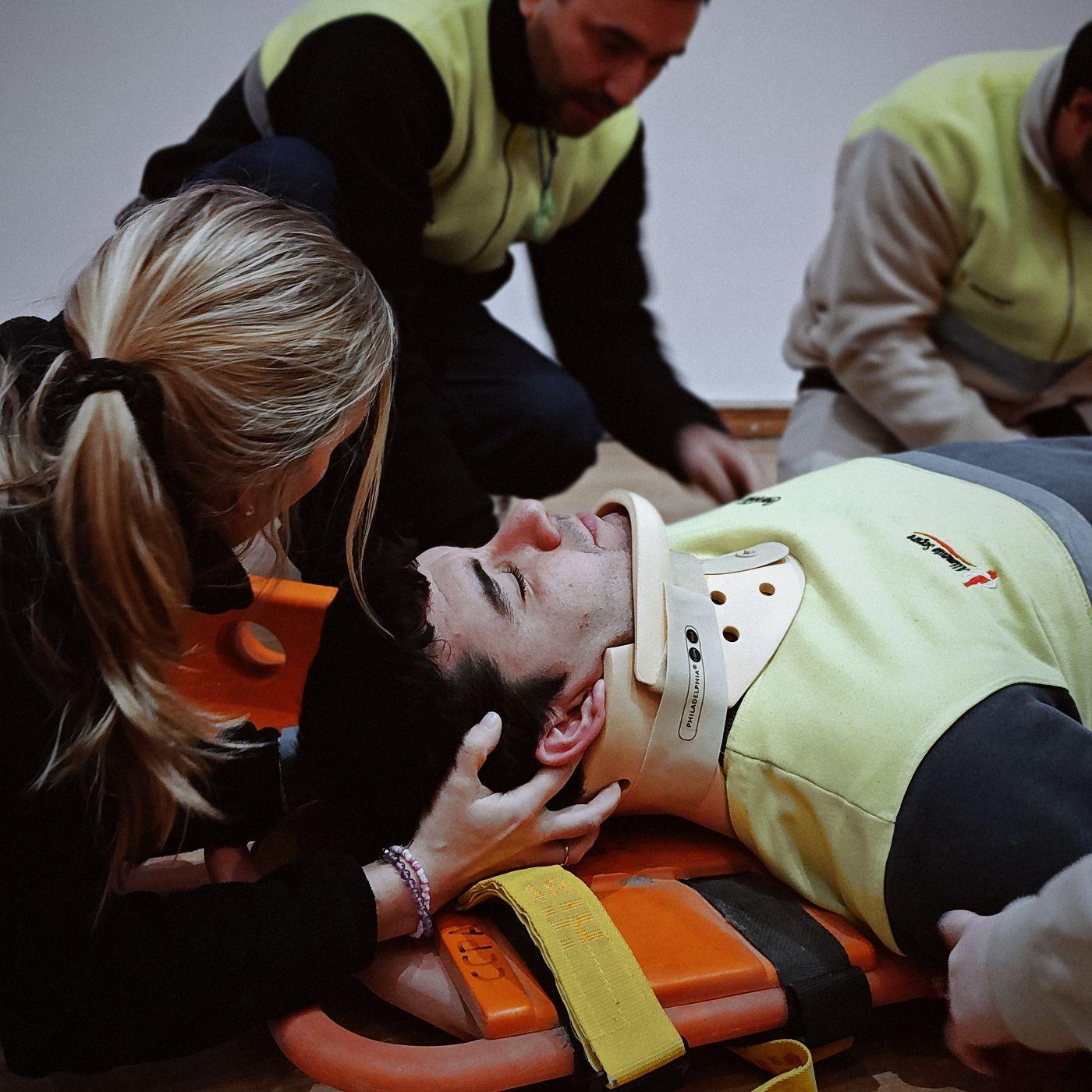
We train its staff in CPR, AED use and pre-hospital care, so its brigade knows what to do from the very first minute.
Legos in action
How we work
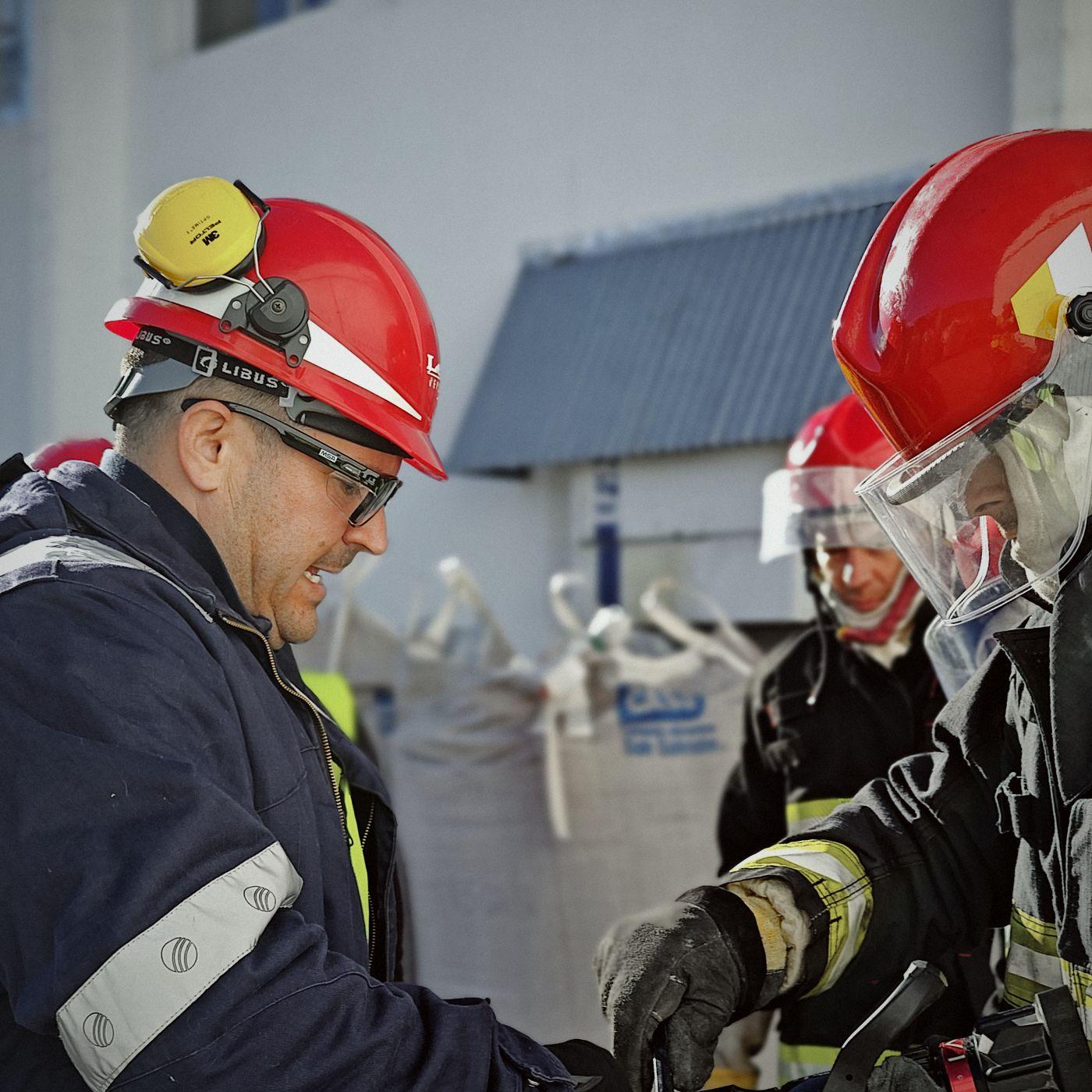
Hydrant testing, brigade training, CPR and AED, HAZ-MAT, respiratory protection, drills and live-fire training.
Photos from our training sessions and work on site. Follow us on Instagram for the day-to-day: @legos_emergencias
ECSI · Emergency Care & Safety Institute✦ASHI · American Safety & Health Institute✦ACS Committee on Trauma · Stop the Bleed✦Coca-Cola Polar Andina✦Central Luis Piedra Buena✦Termoeléctrica Guillermo Brown✦NFPA 25✦NFPA 10✦IRAM 3517-2✦Ley 19.587✦Ley 27.159✦ECSI · Emergency Care & Safety Institute✦ASHI · American Safety & Health Institute✦ACS Committee on Trauma · Stop the Bleed✦Coca-Cola Polar Andina✦Central Luis Piedra Buena✦Termoeléctrica Guillermo Brown✦NFPA 25✦NFPA 10✦IRAM 3517-2✦Ley 19.587✦Ley 27.159✦
International certification
Courses endorsed in the United States
Our first aid, CPR and AED programmes are endorsed by ECSI and ASHI, and bleeding control by the American College of Surgeons Committee on Trauma. Each person receives a numbered certificate with its expiry date, which the company can look up on the platform.
The inspector records each check on the phone. In the pump room or a warehouse with no coverage it is saved and sent automatically when the connection returns.
Every failure, with photo or video
Whatever fails is proven on the spot: photo or video with date, time and the equipment tag.
Signed PDF report
The technical lead reviews and approves. The customer downloads the signed report, in Spanish or English.
Alerts before every due date
Recharges, hydrostatic tests and staff certificates: the system warns 60, 30 and 15 days ahead.
New inspection
● No signal: sent when it returns
General conditionC
Pressure gaugeNC
Seal and pinC
SignageC
Evidence
E-127 · 04/10 · 10:42 · GPS ✓
Report
Inspection report
Extinguishers · Piedra Buena
Published
⬇ PDF
09:41
Legos · Alert
12 due dates in the next 30 days
8 extinguisher recharges and 4 CPR certificates.
About us
Life in your hands
Legos Emergencias was founded so that companies do not have to improvise when something goes wrong. Our work starts earlier: checking, training and leaving everything ready so that, if the moment comes, the response has already been decided.
We are a team of public safety, emergency medicine and fire protection professionals, based in Bahía Blanca and with sustained work in the region's industrial hub.
Inside the plant
We do not audit from the outside: we work on site, with the customer's team.
Everything documented
Every inspection and every training session is recorded and signed by the technical lead.
Real preparedness
Live-fire training, drills and brigades that already know what to do.
Is your plant prepared?
Tell us what you need and we will arrange a visit. We work with companies and institutions in Bahía Blanca and the region.
Your question is not here? Write it in the chat or use the contact form.
What services does Legos Emergencias offer?
We work in four areas: medical emergencies and pre-hospital care, industrial safety (brigades, contingency plans, respiratory protection and hazardous materials), fire protection (inspection, testing and maintenance of fire mains and equipment) and training with international certification.
Which areas do you cover?
Yes, we travel. Besides Bahía Blanca we work or train in Trelew, Monte Cristo (Córdoba), Rosario, Santo Tomé (Santa Fe), Pergamino, Chacabuco, Bariloche, Neuquén, Mendoza, San Juan and San Luis. Tell us where you are and we will arrange it.
How do I request a quote?
Fill in the contact form on this page, message us on WhatsApp at +54 9 291 473-1367 or write to contacto@legosemergencias.com.ar. Tell us what you need, for how many people or how much equipment, and where, and we will prepare a proposal. Price depends on the scope, so we quote each case.
What is ITM?
IPM (in English, ITM) stands for Inspection, Testing and Maintenance: the set of tasks that checks fire protection systems will work when they are needed. Having them installed is not enough: they must be inspected, tested and maintained.
Which standards do you work with?
We work under Argentina's health and safety regulations (Law 19,587 and Decree 351/79) and recognised technical standards: NFPA 25 for inspection, testing and maintenance of water-based systems, NFPA 10 and IRAM 3517 for extinguishers, and ECSI and ASHI international guidelines for first aid. For each service we state the standard that applies.
What training courses do you run?
We have four lines: pre-hospital care (first aid, CPR and AED, trauma, triage), hazardous materials (basic and advanced HAZ-MAT), industrial brigade and fire training, and instructor training. Several carry international certification.
Do you issue training certificates?
Yes. Everyone who attends and passes receives a numbered PDF certificate with its expiry date. Courses endorsed by ECSI or ASHI also carry the corresponding international certification.
Do you have a CPR and AED course?
Yes. The First Aid, CPR and AED course is endorsed by ECSI and by ASHI. You learn to recognise an emergency, call for help, give high-quality CPR and use the defibrillator, so you can act safely until professional help arrives.
Can you cover an event?
Yes. We provide emergency cover for events and plant shutdowns, with trained staff and the equipment suited to the activity and the number of people. Tell us the date, place and attendance.
Can I see the inspections and reports online?
Yes. Each customer has access to the platform (the “Legos login” button, top right) and sees only its own plants: inspections, reports, its staff's certificates and due dates, at any time.
Every question, by topic · 129
About Legos (15)
What services does Legos Emergencias offer?
We work in four areas: medical emergencies and pre-hospital care, industrial safety (brigades, contingency plans, respiratory protection and hazardous materials), fire protection (inspection, testing and maintenance of fire mains and equipment) and training with international certification.
Who is Legos Emergencias?
We are a Bahía Blanca company specialised in emergency prevention and response. Our motto is “life in your hands”: the work starts before the emergency happens, with prevention, preparation and training.
Where are you located?
Our base is in Bahía Blanca, Buenos Aires province, Argentina. From there we travel to plants and companies all over the country.
Which areas do you cover?
Yes, we travel. Besides Bahía Blanca we work or train in Trelew, Monte Cristo (Córdoba), Rosario, Santo Tomé (Santa Fe), Pergamino, Chacabuco, Bariloche, Neuquén, Mendoza, San Juan and San Luis. Tell us where you are and we will arrange it.
How many years of experience do you have?
We have more than 10 years working inside the industry. For example, we were already running hazardous materials training in 2015, and we have been working with our main customer for more than a decade.
Which companies do you work with?
We work with industrial plants and service companies. Our references include Coca-Cola Polar Andina, with whom we have worked for more than 10 years, and, in Bahía Blanca, the Luis Piedra Buena power plant and the Guillermo Brown thermal power plant, among others.
Do you work with any kind of industry?
We mainly work with industrial plants, but also with service companies, shops, institutions, sports clubs and schools. The service is adapted to the size and risk of each place.
Do you work inside the customer's plant?
Yes. We work on site, together with each plant's health and safety team. Inspections and most training sessions take place at the customer's premises.
What does “life in your hands” mean?
“Life in your hands” sums up what we do: prepare people so they know how to act. We work in three stages: prevent (inspection and maintenance), prepare (training and drills) and respond (assistance during the emergency).
What certifications do you have?
Our courses are endorsed by ECSI (Emergency Care & Safety Institute) and ASHI (American Safety & Health Institute), from the United States, and the bleeding control course by the American College of Surgeons Committee on Trauma. Other courses carry Legos Emergencias certification.
Who runs the training?
All our instructors went through a staged training programme and certified their knowledge with the institutions that endorse us, meeting both our internal requirements and international ones.
Who signs the technical reports?
Inspection reports are reviewed and signed by our technical lead, who holds a degree in Safety. Each inspection shows who carried it out and who approved it.
Do you have insurance and paperwork to enter a plant?
Yes. Since we work inside industrial plants, we submit the documentation each customer requires from its contractors. Send us your plant's list of requirements and we will prepare it.
Are you on Instagram?
Yes, on Instagram we are @legos_emergencias: we post training sessions, inspection services and news there. This page also has a “Legos in action” section with real photos.
Are you hiring?
You can write to us through the contact form telling us about your experience. If you would like to become an instructor, we also run an instructor training course.
Contact and quotes (8)
How do I request a quote?
Fill in the contact form on this page, message us on WhatsApp at +54 9 291 473-1367 or write to contacto@legosemergencias.com.ar. Tell us what you need, for how many people or how much equipment, and where, and we will prepare a proposal. Price depends on the scope, so we quote each case.
How do I get in touch with you?
Message us on WhatsApp at +54 9 291 473-1367 (the green button on this page), email contacto@legosemergencias.com.ar or use the contact form: a person from our team will reply. We are also on Instagram as @legos_emergencias.
How long do you take to reply?
We usually reply within one business day, to the email you left in the form. If it is urgent, say so in your message.
What are your opening hours?
Inquiries are answered on business days. Services and training are scheduled to suit the customer, including rotating shifts, weekends or plant shutdowns.
Can you visit the plant before quoting?
Yes. For inspections and emergency plans we start with a site survey: we look at the equipment, the risks and the existing documentation, and build the proposal from that.
I have an emergency right now, what do I do?
If there is an emergency happening, call your local emergency services now: 107 (medical emergencies), 100 (fire brigade) or 911 in Argentina. This chat does not handle emergencies.
Do you invoice as a company?
Yes, we invoice as a company. Terms and payment methods are agreed in the proposal for each service; ask us through the contact form.
Do you offer yearly contracts?
Both: we provide recurring services (for example, monthly inspection of extinguishers and sirens or a yearly training plan) as well as one-off jobs. We decide it with you based on what your plant needs.
Fire protection (16)
What does fire protection include?
Inspection, testing and maintenance (ITM) of fire mains, hydrants, hose valves, hoses and pumps; checks of extinguishers and alarm sirens; and safety items such as eyewash stations and signage. Every service ends with a signed technical report.
What is ITM?
IPM (in English, ITM) stands for Inspection, Testing and Maintenance: the set of tasks that checks fire protection systems will work when they are needed. Having them installed is not enough: they must be inspected, tested and maintained.
What happens if the fire main is not maintained?
A fire main being there does not mean it is ready. Without maintenance you get stuck valves, damaged hoses, low pressure or blockages that are only discovered during the emergency. ITM finds and fixes that beforehand.
Do you test hydrants?
Yes. We inspect and test hydrants and hose valves: condition, access, valves, couplings and available flow and pressure, and every point is recorded with its result.
Do you check fire hoses and cabinets?
Yes. In each cabinet we check the hose (condition, folding, couplings), the nozzle, the valve, the signage and clear access. Hoses that are not fit are reported for replacement or testing.
Do you test fire pumps?
Yes. We inspect and test fire pumps and their room: start-up, pressures, controller, fuel on diesel pumps and the jockey pump, at the frequencies NFPA 25 sets for each component.
Do you work with sprinkler systems?
Sprinkler systems are part of the ITM of water-based fire protection systems. Tell us what kind of system you have and we will assess it in the survey.
Do you check the fire water tank?
Yes. The water reserve is part of the system: we check level, condition, valves and that the fire reserve is not used for anything else.
Do you inspect alarm sirens?
Yes. On each siren we check general condition, sound operation and the strobe light, with its tag and location. The ones that fail are recorded with evidence so they can be repaired.
Do you work with fire detection systems?
We check the alarm and warning devices that are part of the emergency plan, such as sirens and call points. For full detection systems, tell us what equipment you have and we will tell you how we would handle it.
Do you check eyewash stations and emergency showers?
Yes. As part of the ITM of safety equipment we check eyewash stations and emergency showers: access, signage, operation and blockages. Often the deviation is in a detail like that.
Do you check safety signage?
Yes. Signage is part of every check: if a sign is damaged, missing or not visible, it is recorded as a deviation in the report.
Do you check emergency lighting?
We can include emergency lighting checks in the inspection of safety equipment. Ask us, telling us how many units there are and where.
How often should fire equipment be inspected?
It depends on the equipment: the standard sets weekly, monthly, quarterly, yearly and five-year checks depending on the component, and extinguishers are checked monthly on site. We set it with your health and safety team and it is scheduled in the system, which warns before each due date.
What do you deliver after an inspection?
A PDF report with each piece of equipment checked, its result (compliant, non-compliant or not applicable), the failures with photo or video, the observations and the technical lead's signature. It is also available on the platform.
Do you also repair what you find wrong?
The M in ITM is maintenance: besides finding problems, we carry out the work needed to keep systems in condition. Anything that needs a spare part or a bigger job is reported and quoted separately.
Fire extinguishers (11)
Do you inspect fire extinguishers?
Yes. We check each extinguisher in place, with its tag, location, type and size, and we record the recharge and hydrostatic test due dates so the system warns before they expire.
What do you check on each extinguisher?
Among other points: that it is in place, accessible and signposted; the gauge in the green zone; the seal and pin; the condition of the cylinder, hose and nozzle; the inspection tag and the recharge and hydrostatic test dates.
How often is an extinguisher recharged?
In Argentina the control and recharge of extinguishers follow the IRAM 3517-2 standard. Maintenance is generally yearly, and an extinguisher is also recharged every time it is used, even partly. The recharge date is on its tag and in the system.
What is an extinguisher hydrostatic test?
The hydrostatic test (PH in Spanish) checks the cylinder withstands its working pressure with a safety margin. It is generally done every five years, according to IRAM 3517-2 and the extinguisher type. Its due date is recorded together with the recharge date.
What types of extinguishers are there?
The most common are ABC (dry chemical, for solids, liquids and electrical equipment), BC (liquids and electrical), K or AK (cooking oils) and clean agents such as HCFC, which leave no residue and are used in labs, electrical or computer rooms.
What are fire classes A, B, C, D and K?
A: solids that leave embers (wood, paper, cloth). B: flammable liquids and gases. C: live electrical equipment. D: combustible metals. K: cooking oils and fats. The extinguisher must suit the fire class of the place.
How do you use a fire extinguisher?
In short: pull the pin, aim at the base of the fire, squeeze the lever and sweep from side to side, always with an escape route behind you. We practise it with live fire in our training: reading it is not enough.
How many extinguishers does my company need?
It depends on the floor area, the fire load and the type of risk in each area, under health and safety regulations. We advise you during the survey and leave each extinguisher identified with its tag and location.
What happens to the extinguisher while it is recharged?
No point should be left without an extinguisher. Replacement units are recorded as such in the system, so you always know which extinguisher is at each point and which one is being recharged.
Do you check forklift extinguishers?
Yes. Extinguishers on forklifts and internal vehicles are checked like fixed ones and recorded separately, because they move around.
What is an equipment tag?
The tag is each piece of equipment's unique code (for example, S03 for a siren or a number for an extinguisher). It tracks its history: inspections, failures and due dates. On the platform each item also has its QR code.
Standards and regulations (11)
Which standards do you work with?
We work under Argentina's health and safety regulations (Law 19,587 and Decree 351/79) and recognised technical standards: NFPA 25 for inspection, testing and maintenance of water-based systems, NFPA 10 and IRAM 3517 for extinguishers, and ECSI and ASHI international guidelines for first aid. For each service we state the standard that applies.
What is NFPA 25?
NFPA 25 is the National Fire Protection Association standard for the inspection, testing and maintenance of water-based fire protection systems: sprinklers, standpipe and hose systems, fire pumps, tanks and water spray systems, with the frequency of each task.
What is NFPA 10?
NFPA 10 is the international standard for portable fire extinguishers: selection, placement, inspection and maintenance. In Argentina, IRAM 3517 part 2 covers the control, maintenance and recharge of extinguishers.
What is Law 19,587?
Argentina's Occupational Health and Safety Law 19,587 and its Decree 351/79 require employers to prevent and protect against fire: have suitable extinguishing means, keep them in condition and train staff to use them. We help you meet that part.
What does Law 27,159 on sudden death say?
Argentina's Law 27,159 creates a sudden cardiac death prevention system for public spaces and private spaces open to the public: under its regulations, places with high footfall must have an AED and staff trained in CPR. We train you to meet it.
Which standard applies to fire alarms?
NFPA 72 is the reference standard for fire alarm and signalling systems, including their inspection and testing. Sirens are checked regularly to make sure they can be heard and seen throughout the area.
Which standard applies to industrial brigades?
The international references are NFPA 600 (organisation of industrial fire brigades) and NFPA 1081 (industrial fire brigade member qualifications). Our brigade training draws on them and adapts them to each plant's risks.
Which standard covers hazardous materials response?
The international reference is NFPA 470 (which merged the former NFPA 472), defining the competencies of those who respond to hazardous materials incidents, from awareness to technician level. Our basic and advanced courses follow that progression.
Are your CPR courses up to date?
Yes. Our ECSI and ASHI endorsed programmes follow the international resuscitation science recommendations (ILCOR), which are reviewed periodically; when they change, we update the content.
Which standard applies to eyewash stations and showers?
The most used reference is ANSI Z358.1, which requires, among other things, that eyewash stations and showers be a few seconds from the hazard, free of obstacles and activated regularly to check the flow and flush the line.
Can you help me prepare an audit?
Yes. Reports and records (with dates, results, evidence and signature) are kept in order on the platform and as PDFs, ready for internal audits, the occupational risk insurer or regulators.
Training (14)
What training courses do you run?
We have four lines: pre-hospital care (first aid, CPR and AED, trauma, triage), hazardous materials (basic and advanced HAZ-MAT), industrial brigade and fire training, and instructor training. Several carry international certification.
Is the training held at the company?
Yes, most sessions are held at the company, adapted to its risks and shifts. We also organise open courses for individuals; ask about the next dates.
Can I take a course as an individual?
Yes, there are also open courses for individuals, such as first aid, CPR or paediatric first aid. Write to us or follow us on Instagram to find out about the next dates and enrolment.
How long is a course?
It depends on the course and level: a CPR and AED course can be done in one day, while brigade training or advanced HAZ-MAT takes longer. We send you the hours for each one with the proposal.
How many people can take the course?
We size groups so everyone gets hands-on practice: the number per instructor depends on the course and the manikins and equipment used. Tell us how many people there are and we will organise one or more groups.
Are the courses practical or theoretical?
They are mainly practical. We practise CPR on manikins with training AEDs, extinguisher use with live fire, putting on protective equipment and drills. The theory is there, but what matters is knowing how to do it.
Do you provide study material?
Yes. All our courses come with written material in Spanish and practical workbooks developed for each training course.
Do courses include an assessment?
Yes, the practical part is assessed and, depending on the course, the theory too. The certificate is issued to those who attend and pass; anyone who does not pass can try again on another date.
Do you issue training certificates?
Yes. Everyone who attends and passes receives a numbered PDF certificate with its expiry date. Courses endorsed by ECSI or ASHI also carry the corresponding international certification.
How long is the certificate valid?
First aid and CPR certificates have a set validity (usually two years, depending on the programme). The expiry date is on the certificate and the system warns before it expires so the renewal can be scheduled.
How do I check a certificate is valid?
Each certificate has a unique number and is recorded on our platform, where the company can look it up and download it. If you lost yours, write to us with your name and ID number and we will send it.
Do you organise evacuation drills?
Yes. We plan and run drills (evacuation, fire, medical emergency or spill) based on the plant's risks, and afterwards we review times and deviations to improve the plan. Ideally they should be held at least once a year.
Do you run live-fire training?
Yes. Live-fire training is part of brigade training and extinguisher use. It is done under controlled conditions, with protective equipment and under our instructors' supervision.
Do you put together a yearly training plan?
Yes. Based on the plant's risks and the legal and insurer requirements, we propose a yearly training plan by role, and the system tracks who took each course and when it expires.
Courses (22)
Do you have a CPR and AED course?
Yes. The First Aid, CPR and AED course is endorsed by ECSI and by ASHI. You learn to recognise an emergency, call for help, give high-quality CPR and use the defibrillator, so you can act safely until professional help arrives.
Do you have a paediatric first aid course?
Yes. The Paediatric First Aid course (endorsed by ECSI and ASHI) teaches how to respond to the most common situations with babies and children: choking, paediatric CPR, knocks, burns and more. It is ideal for families, teachers and nurseries.
Do you have advanced first aid?
Yes. Advanced First Aid (endorsed by ECSI and ASHI) goes deeper into patient assessment, trauma, medical emergencies and scene management, for people who already have the basics or must respond at work.
Do you have wilderness or remote first aid?
Yes. Remote Area First Aid (endorsed by ECSI and ASHI) prepares you to provide care when professional help may be delayed: construction sites, oil fields, rural areas, mountains or highways.
Do you have CPR for healthcare providers?
Yes. CPR for Healthcare Providers (endorsed by ECSI and ASHI) is designed for health and response staff: high-quality team CPR, airway management with devices and AED use.
Do you run an instructor course?
Yes. The instructor course (endorsed by ECSI, ASHI or Legos) is for firefighters, rescuers, brigade members, first responders and health and safety professionals who want to turn their experience into clear training: plan, teach, communicate and assess.
Do you have a bleeding control course?
Yes. The Bleeding Control course is endorsed by the American College of Surgeons Committee on Trauma (Stop the Bleed programme). It teaches how to stop severe bleeding with direct pressure, wound packing and a tourniquet.
Do you have a medical emergency response course?
Yes. Medical Emergency Response (Legos certification) prepares those who must respond first at the company: assessment, basic life support, trauma, medical emergencies and coordination with emergency services.
Do you have a trauma course for first responders?
Yes. We run Trauma for First Responders and Advanced Prehospital Trauma Life Support (Legos certification), for brigade members, rescuers and emergency staff: assessment, bleeding control, immobilisation and transport.
What is the triage course?
Yes, we run Basic and Advanced Triage (Legos certification): how to sort and prioritise casualties when there are more injured people than resources, for example in a serious accident inside the plant.
Do you have a sports injury course?
Yes. Sports Injury Care (football, rugby and hockey) is designed for coaches, trainers and clubs: on-field assessment, common injuries, head knocks and when to refer.
Do you have a tactical trauma care course?
Yes. Tactical Prehospital Trauma Care is aimed at police and security forces: care under threat, bleeding control and casualty evacuation.
What is pre-hospital care?
Pre-hospital care (APH in Spanish) is the care a person receives from the moment the emergency happens until they reach the hospital. We run a pre-hospital care course and a full line of courses in this area.
Do you have hazardous materials courses?
Yes. HAZ-MAT means hazardous materials. We run Hazardous Materials Emergencies, Basic and Advanced HAZ-MAT Response, Introduction to HAZ-MAT Pre-hospital Care and First Aid in hazardous materials emergencies.
What is the difference between basic and advanced HAZ-MAT?
The basic course teaches how to recognise a hazardous materials incident, identify the product, isolate the area and protect yourself. The advanced course is for brigades that intervene: controlling the spill or leak, higher-level protective equipment and decontamination.
Do you train emergency brigades?
Yes. Industrial Brigade Training prepares plant staff to act in fires, medical emergencies, spills and evacuations: brigade organisation, protective equipment, use of extinguishers and hoses, and live-fire training and drills.
What is the fire science chemistry course?
Yes. Chemical Principles of Fire Science explains how a fire starts and spreads (the fire tetrahedron: fuel, oxygen, heat and chain reaction) and why each extinguishing agent works the way it does.
Do you have a fire investigation course?
Yes. Fire and Explosion Investigation teaches the method to determine origin and cause: reading the scene, damage patterns, interviews and documentation.
What is the emergency first responder course?
Emergency First Responder prepares whoever arrives first (guards, security, maintenance staff or supervisors) to assess the scene, raise the alarm, protect people and take the first actions until help arrives.
Do you train on personal protective equipment?
Yes. The Personal Protective Equipment Selection and Use course teaches which equipment suits each risk, how to put it on, check it and look after it, and its limitations.
Do you have a respiratory protection course?
Yes. Respiratory Protective Equipment Selection and Use covers the types of equipment (air-purifying and self-contained), how to choose them for each risk, fit testing, donning and maintenance.
Is it mandatory to have a brigade at the company?
Regulations require training staff in fire prevention and extinguishing, and many emergency plans and insurers ask for a brigade. How many people and from which shifts depends on the plant: we define it in the survey.
Emergencies and industrial safety (7)
What does the medical emergency service include?
On-site pre-hospital care: first response to a medical emergency or accident, stabilisation and coordinating transport with emergency services, plus preparing the plant's staff and resources beforehand.
Can you cover an event?
Yes. We provide emergency cover for events and plant shutdowns, with trained staff and the equipment suited to the activity and the number of people. Tell us the date, place and attendance.
Do you write emergency and contingency plans?
Yes. We write and update emergency and contingency plans: risk analysis, roles, communications, evacuation routes, assembly points, available resources and practising the plan with drills.
What does industrial safety include?
Comprehensive advice on safety, occupational health and fire: brigades, contingency plans, respiratory protection, hazardous materials, inspection of safety equipment and staff training.
Do you respond to incidents and contingencies?
We prepare the plant to respond: a trained brigade, equipment and procedures for spills, leaks, fires or accidents. During an ongoing incident, the first call is always to local emergency services.
What should a first aid kit contain?
A workplace kit needs, as a base, gloves, gauze and bandages, dressings, tape, wound-cleaning solution, scissors, a thermal blanket and bleeding control items, adapted to the site's risks. We can check them as part of the safety equipment inspection.
Does my company need a defibrillator?
With high footfall, Law 27,159 requires it; and in any plant it is a life-saving tool. We advise on where to place it so it can be reached within minutes and train staff to use it. Ask us about supplying the unit.
First aid: the basics (11)
What is CPR?
CPR (cardiopulmonary resuscitation) is chest compressions, and in some cases rescue breaths, that keep blood flowing when the heart stops. It is done when a person does not respond and is not breathing normally, while help is on its way.
How is CPR done?
On an adult: call for help and an AED, place your hands in the centre of the chest and push hard and fast, about 5 cm deep at 100 to 120 per minute, letting the chest come back up. This is a guide: to do it right you need to practise it in a course.
What is an AED?
The AED (automated external defibrillator) analyses the heart rhythm and only advises a shock if one is needed. It gives voice instructions, so anyone can use it, although with training it is used faster and more confidently.
Why is acting fast so important in cardiac arrest?
In cardiac arrest every minute without CPR or defibrillation sharply lowers the chances of survival. The chain of survival is: recognise and call for help, immediate CPR, early defibrillation and advanced care. The first links are given by whoever is nearby.
What do I do if someone is choking?
If the person is coughing hard, encourage them to keep coughing. If they cannot speak, cough or breathe, give abdominal thrusts (Heimlich manoeuvre) until the object comes out, and if they become unresponsive call emergency services and start CPR. In babies the technique is different: we teach it in the paediatric course.
What do I do with a burn?
Cool it under room-temperature running water for at least 10 to 20 minutes, remove rings or clothing that is not stuck, and cover with something clean. Do not use ice, toothpaste or creams. If it is chemical, flush with plenty of water and find the product's safety data sheet.
What number do I call in an emergency?
In Argentina: 107 for medical emergencies, 100 for the fire brigade and 911 in many places. When you call, say what happened, where (exact address and how to get there), how many people and their condition, and do not hang up until told to.
What do I do if someone hits their head?
Do not move the person if they may have injured their neck or spine, unless they are in danger where they are. After a head knock, warning signs are: loss of consciousness, vomiting, confusion, drowsiness or a worsening headache; with any of them, call emergency services.
What do I do if someone has a seizure?
Protect the person from injury, loosen tight clothing and do not restrain them or put anything in their mouth. When it ends, turn them on their side. Call emergency services if it lasts more than 5 minutes, repeats, they are injured or do not regain consciousness.
What is the recovery position?
If the person does not respond but is breathing normally, turning them on their side (recovery position) keeps the airway open and prevents choking if they vomit. Call emergency services and keep checking their breathing; if it stops, start CPR.
Is reading this enough to know first aid?
No. These answers are for guidance: in an emergency what counts is having practised it. In our courses you train with manikins, practice AEDs and real scenarios until it comes naturally.
The platform and this chat (14)
Can I see the inspections and reports online?
Yes. Each customer has access to the platform (the “Legos login” button, top right) and sees only its own plants: inspections, reports, its staff's certificates and due dates, at any time.
How do I get a platform user?
Legos creates a user for each person at your company, with the role and plants that apply; the first password is temporary and is changed on sign-in. If you forgot yours, ask Legos or your company's administrator for a new one.
How do I know an inspection was really done?
Every failure is backed by a photo or video taken on the spot, with date, time and equipment. The failure photos are also included in the PDF report.
Will I be warned when something is about to expire?
Yes. The system warns by email (and by WhatsApp, if set up) before each equipment and certificate due date: by default 60, 30 and 15 days before, and when it expires.
Does the system work without signal?
It works without signal. The inspector saves the check on the phone and it is sent automatically when the connection comes back, without losing data or photos. That is key in warehouses, pump rooms and substations.
Can I see an equipment history?
Yes. Each piece of equipment has its own record with all its inspections, failures, evidence and due dates. You can search by tag, serial number or location.
Can I download reports as PDF?
Yes. Published reports and certificates can be downloaded as PDFs from the platform, in Spanish or English. The report carries the technical lead's signature.
Who reviews inspections before publishing them?
Each inspection is reviewed and approved by the technical lead before reaching the customer: draft, submitted, in review, approved and published. So what you see has always been reviewed.
Can other companies see my data?
No. Each company sees only its own data, and within the company each person sees only the plants assigned to their role. Access is with personal username and password and actions are logged.
Is the site available in English?
Yes. The site, the platform, the reports, the certificates and the alerts are available in Spanish and English. Each person picks their language with the ES | EN button.
Does the platform have dark mode?
Yes. Each person picks the mode (automatic, light, dim or dark) and the action colour from the sidebar or in “My account”. The status colours (red failure, amber due soon, green up to date) never change.
Does the platform work on mobile?
Yes. It works on phones, tablets and computers from the browser, and can be installed on the home screen like an app, without going through the app stores.
Can I load my equipment from an Excel sheet?
There is no need to enter them one by one: the equipment list is imported from an Excel sheet with tag, location, type and due dates. The system checks the sheet and flags errors before saving.
Are you a bot or a person?
I am Legos' automatic assistant: I use artificial intelligence to understand your question, but I only answer with information prepared by the team, and Legos does not store what you type. To talk to a person, message us on WhatsApp at +54 9 291 473-1367, use the contact form or write to contacto@legosemergencias.com.ar.
Training · 22 courses
Courses so your people know what to do
First aid, trauma, hazardous materials and fire. Backed by institutions in the United States or certified by Legos, taught at your plant.
We build the programme around your plant's risks and your people's shifts. Each person gets a numbered certificate with its expiry date, and the company checks it on the platform.